
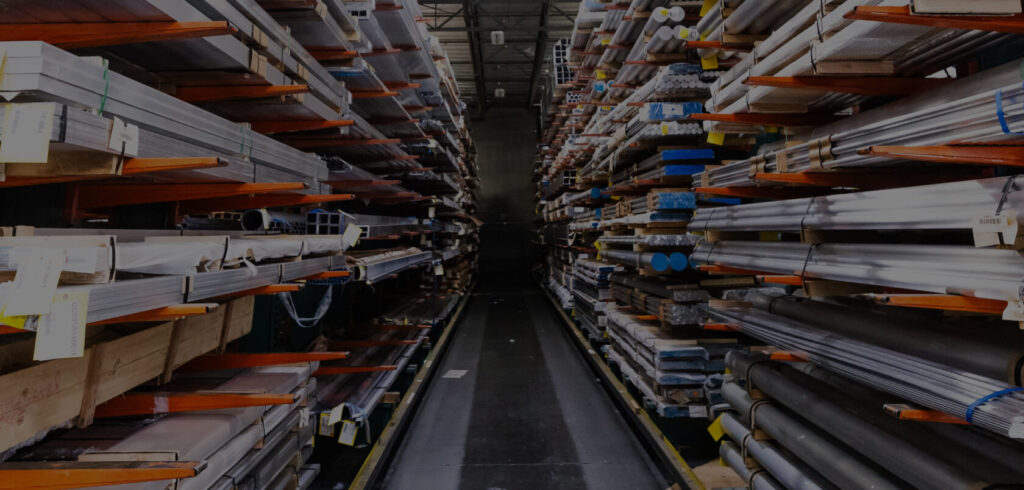
Aluminum sheet metal is a versatile material widely used across various industries due to its lightweight, durability, and resistance to corrosion. This comprehensive guide will delve into the essential aspects of aluminum sheet metal, including the different grades available, the benefits of custom fabrication services, and the industries that rely on these materials. Understanding these elements is crucial for businesses and individuals looking to procure aluminum sheet metal effectively. As we explore the topic, we will also highlight how suppliers like Coast Aluminum can enhance your procurement process with their specialized offerings.
What Are the Key Aluminum Sheet Metal Grades and Their Properties?
Aluminum sheet metal comes in various grades, each with unique properties that make them suitable for specific applications. The most common grades include 5052, 5086, and 6061, each offering distinct advantages in terms of strength, corrosion resistance, and workability. Understanding these grades is essential for selecting the right material for your project.
Grade | Properties | Applications |
|---|---|---|
5052 | Excellent corrosion resistance, good weldability, and moderate strength | Marine applications, automotive fuel tanks |
5086 | High strength, excellent corrosion resistance, and good weldability | Shipbuilding, pressure vessels |
6061 | Good mechanical properties, excellent corrosion resistance, and good weldability | Structural applications, automotive parts |
Coast Aluminum specializes in providing high-quality aluminum sheet metal products, including various grades tailored to meet industry standards. Their expertise ensures that you receive the right material for your specific needs.
How Does the 5052 Aluminum Sheet Grade Meet Industry Standards?
The 5052 aluminum sheet grade is known for its excellent corrosion resistance and weldability, making it a popular choice in marine and automotive applications. Its mechanical properties include a yield strength of 28,000 psi and a tensile strength of 32,000 psi, which meet various industry standards. This grade is particularly effective in environments where exposure to saltwater and other corrosive elements is common, ensuring longevity and reliability in applications such as fuel tanks and marine structures.
What Are the Corrosion Resistance and Mechanical Properties of Marine Grade Aluminum Sheets?
Marine grade aluminum sheets, such as 5086 and 5052, are specifically designed to withstand harsh marine environments. These grades exhibit superior corrosion resistance due to their high magnesium content, which forms a protective oxide layer. The mechanical properties of these sheets include high strength and excellent weldability, making them ideal for shipbuilding and other marine applications. The importance of corrosion resistance cannot be overstated, as it directly impacts the durability and safety of marine structures.
This perspective is further supported by research highlighting the specific challenges and solutions for protecting aluminum alloys in marine environments.
Marine Corrosion Resistance & Protection for Aluminum Alloys
Based on long-term tests of aluminum alloys in seawater of various climatic zones from the Arctic to the tropics, the peculiarities of their corrosion behavior are revealed. Alloys of the Al-Mg system exhibit the highest corrosion resistance in seawater. Alloying with scandium and thermomechanical treatment make possible further simultaneous improvement of mechanical properties and corrosion resistance. The methods of the aluminum alloys protection against marine corrosion are considered. Marine corrosion and protection of aluminum alloys according to their composition and structure, 2005
How Do Custom Aluminum Sheet Fabrication Services Enhance Supplier Offerings?
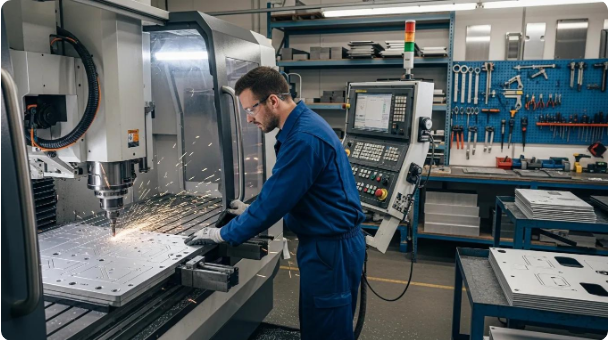
Custom aluminum sheet fabrication services provide significant advantages for businesses seeking tailored solutions. These services allow for precision cutting, bending, and finishing, ensuring that the final product meets specific design requirements. By utilizing advanced fabrication techniques, suppliers can offer customized solutions that enhance product performance and reduce waste.
What Fabrication Capabilities Are Essential for Tailored Aluminum Sheet Solutions?
Essential fabrication capabilities include CNC machining, laser cutting, and forming techniques. These methods enable suppliers to create complex shapes and sizes that standard sheets cannot accommodate. Additionally, finishing services such as anodizing and powder coating can enhance the aesthetic appeal and corrosion resistance of the final product. Coast Aluminum‘s custom fabrication services ensure that clients receive high-quality, tailored solutions that meet their unique specifications.
Advanced techniques like laser cutting are continuously refined through scientific studies, ensuring precision and efficiency in fabrication processes.
Laser Cutting Simulation for Aluminum Alloy Sheets
The effectiveness of finite element simulation techniques for laser cutting of 1.2-mm-thick aluminium sheets has been studied. Lagrangian and Arbitrary Lagrangian-Eulerian techniques were used to model and simulate laser cutting process. The reliability of finite element results were evaluated by general energy balance analysis and experimental results. Temperature and stress distribution along with heat-affected zone were predicted during the laser-induced process in line with experimental conditions under ABAQUS finite element code. Heat transfer analysis relying on thermal loading was employed to reach the best efficiency. A study on the different finite element approaches for laser cutting of aluminum alloy sheet, M Pourasghar, 2017
How Does Custom Fabrication Support Diverse Industry Requirements?
Custom fabrication supports various industries, including aerospace, automotive, and construction, by providing materials that meet specific performance criteria. For instance, in the aerospace industry, lightweight and high-strength aluminum components are crucial for improving fuel efficiency. Similarly, the automotive sector benefits from custom aluminum parts that contribute to overall vehicle performance. By partnering with suppliers like Coast Aluminum, businesses can access the expertise and resources needed to meet their industry-specific requirements.
Which Industries Rely on Aluminum Sheet Metal and What Are Their Specific Applications?

Aluminum sheet metal is utilized across multiple industries due to its versatility and favorable properties. Key sectors include aerospace, automotive, marine, and construction, each with unique applications that leverage aluminum‘s strengths.
How Is Aluminum Sheet Metal Utilized in Aerospace, Automotive, Marine, and Construction Sectors?
In the aerospace industry, aluminum sheet metal is used for aircraft skins, fuselage components, and structural elements due to its lightweight and high strength. The automotive industry employs aluminum for body panels, engine components, and wheels, contributing to overall vehicle efficiency. In marine applications, aluminum is favored for boat hulls and structural components, while the construction sector utilizes it for roofing, siding, and window frames, benefiting from its durability and aesthetic appeal.
What Are Emerging Trends in Aluminum Sheet Usage Across Key Industries?
Emerging trends in aluminum sheet usage include a growing emphasis on sustainability and lightweight materials. Many industries are adopting aluminum due to its recyclability and lower environmental impact compared to other metals. Additionally, advancements in manufacturing techniques are enabling more efficient production processes, further driving the demand for aluminum sheet metal in various applications.
What Are the Standards and Specifications for Aluminum Sheet Thickness?
Understanding the standards and specifications for aluminum sheet thickness is crucial for ensuring that materials meet the necessary performance criteria. Thickness is typically measured in gauge or millimeters, with industry standards dictating acceptable tolerances.
How to Interpret Aluminum Sheet Thickness Charts and Measurement Standards?
Aluminum sheet thickness charts provide a reference for selecting the appropriate gauge for specific applications. For instance, a common thickness for general-purpose aluminum sheets is 0.040 inches (1.016 mm), while heavier applications may require thicknesses of 0.125 inches (3.175 mm) or more. Familiarity with these standards helps ensure that the selected material meets the structural and aesthetic requirements of the project.
What Are the Industry-Recognized Thickness Tolerances and Their Impact on Procurement?
Industry-recognized thickness tolerances vary depending on the application and material grade. For example, commercial-grade aluminum sheets typically have a tolerance of ±0.005 inches (0.127 mm). Understanding these tolerances is essential for procurement, as deviations can impact the performance and fit of the final product. Suppliers like Coast Aluminum adhere to these standards, ensuring that clients receive materials that meet their specifications.
How Do Pricing Structures and Ordering Processes Affect Aluminum Alloy Sheet Procurement?
Pricing structures for aluminum sheet metal can vary significantly based on factors such as material grade, thickness, and market demand. Understanding these factors is essential for effective procurement and budgeting.
What Factors Influence Pricing for Aluminum Sheet Metal and Custom Fabrication Services?
Several factors influence pricing, including global demand, energy costs, and material availability. Fluctuations in the aluminum market can lead to price changes, making it crucial for buyers to stay informed about market trends. Additionally, custom fabrication services may incur additional costs based on the complexity of the project and the required specifications.
How to Navigate Ordering Procedures for Efficient Supply Chain Management?
Navigating the ordering process for aluminum sheets involves several steps, including selecting the appropriate grade, determining the required thickness, and specifying any custom fabrication needs. Effective communication with suppliers is essential to ensure that all requirements are met. Coast Aluminum offers streamlined ordering procedures to facilitate efficient supply chain management, helping clients receive their materials promptly and accurately.
What Are Common Questions and Considerations When Selecting Aluminum Sheet Metal Suppliers?
When selecting aluminum sheet metal suppliers, several key considerations can help ensure a successful partnership. These include evaluating quality assurance criteria, delivery options, and customer support.
- Quality Assurance: Ensure that the supplier adheres to industry standards and certifications for quality control.
- Delivery Options: Consider the supplier’s ability to meet delivery timelines and provide flexible shipping options.
- Customer Support: Evaluate the level of customer support offered, including technical assistance and responsiveness to inquiries.
By addressing these considerations, businesses can make informed decisions when selecting aluminum sheet metal suppliers, ensuring that they receive high-quality materials and services tailored to their needs.