
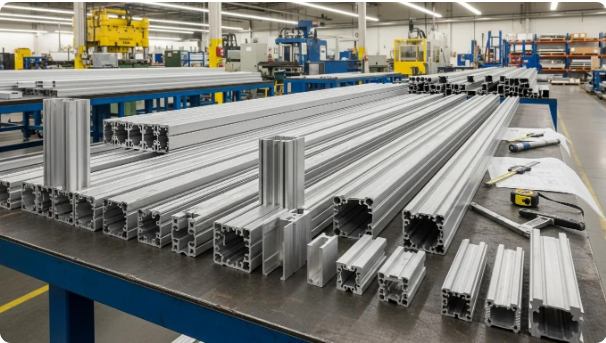
Custom aluminum extrusions are essential components in various manufacturing sectors, providing tailored solutions that meet specific design and performance requirements. These extrusions are created through a process that shapes aluminum into desired profiles, allowing for versatility in applications ranging from aerospace to construction. The unique properties of aluminum, such as its lightweight nature and resistance to corrosion, make it an ideal material for a wide range of industrial uses. This article will explore the intricacies of custom aluminum extrusions, including their applications, the benefits they offer, and the commitment to quality that ensures their effectiveness in manufacturing.
In this comprehensive guide, we will delve into the precision profiles available, the industrial solutions they provide, and the various applications across different sectors. Additionally, we will discuss the finishing services that enhance these products and the quality assurance measures that guarantee their reliability. By understanding the nuances of custom aluminum extrusions, manufacturers can make informed decisions that align with their unique needs.
Precision Profiles
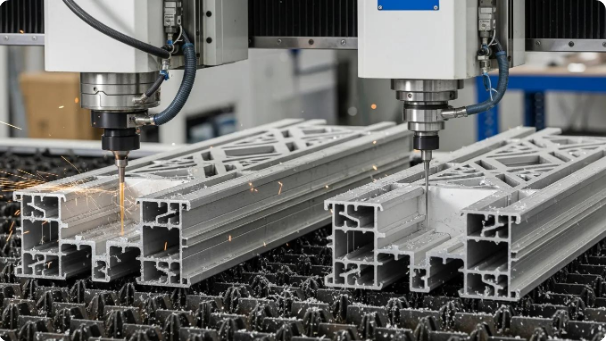
Precision profiles are critical in the manufacturing of custom aluminum extrusions, as they dictate the functionality and performance of the final product. The advanced metal cutting capabilities offered by manufacturers ensure that extrusions are produced to exact specifications, minimizing waste and maximizing efficiency. Techniques such as cut-to-length services and precision saw cutting are employed to achieve the desired dimensions, while CNC waterjet and router technologies allow for intricate shapes that meet complex design requirements.
These precision profiles not only enhance the aesthetic appeal of products but also contribute to their structural integrity. By utilizing state-of-the-art equipment and techniques, manufacturers can produce aluminum profiles that are both functional and visually appealing, catering to the diverse needs of various industries.
Industrial Solutions

Custom aluminum extrusions serve a multitude of industries, providing tailored solutions that address specific challenges. The following sectors benefit significantly from these specialized products:
- Aerospace & Defense: Lightweight and durable aluminum components are essential for aircraft and defense applications, where performance and safety are paramount.
- Marine & Boat Manufacturing: Aluminum‘s resistance to corrosion makes it an ideal choice for marine applications, ensuring longevity and reliability in harsh environments.
- Construction & Architectural Applications: Custom extrusions are used in structural framing, window frames, and decorative elements, providing both strength and aesthetic value.
By understanding the unique requirements of each industry, manufacturers can develop custom aluminum solutions that enhance performance and meet regulatory standards.
Applications Across Manufacturing Sectors
The versatility of custom aluminum extrusions allows for a wide range of applications across various manufacturing sectors. Some notable uses include:
- Structural Framing: Aluminum extrusions provide lightweight yet strong support structures in buildings and other constructions.
- Marine Components: Custom profiles are utilized in boat hulls, railings, and other marine applications, ensuring durability and resistance to the elements.
- Signage & Displays: Aluminum extrusions are often used in the creation of signage and display systems, offering a sleek and modern appearance.
These applications highlight the adaptability of aluminum extrusions, making them a preferred choice for manufacturers seeking reliable and efficient solutions.
Finishing Services
To enhance the performance and appearance of custom aluminum extrusions, various finishing services are available. These services include:
- Deburring & Edge Conditioning: This process removes sharp edges and burrs, ensuring safety and improving the overall finish of the product.
- Anodizing: Through partnerships with third-party providers, anodizing services are offered to increase corrosion resistance and provide a decorative finish.
These finishing services not only improve the aesthetic appeal of aluminum products but also extend their lifespan, making them suitable for demanding applications.
Commitment to Quality
Quality assurance is paramount in the production of custom aluminum extrusions. Manufacturers often adhere to stringent standards, such as ISO 9001:2015 and AS9120B certifications, to ensure that their products meet the highest quality benchmarks. This commitment to quality is reflected in the meticulous processes employed throughout production, from sourcing materials to final inspections.
Additionally, customer service and technical support play a crucial role in maintaining quality. Manufacturers work closely with clients to understand their specific needs and provide tailored solutions that meet or exceed expectations.
What Are Custom Aluminum Extrusions and Their Industrial Applications?
Custom aluminum extrusions are profiles created by forcing aluminum through a die to achieve specific shapes and dimensions. This process allows for the production of complex designs that are not feasible with other manufacturing methods. The versatility of aluminum makes it suitable for a wide range of applications, including structural components, decorative elements, and functional parts in various industries.
The benefits of custom aluminum extrusions include lightweight construction, corrosion resistance, and the ability to create intricate designs. These properties make them ideal for applications in aerospace, automotive, construction, and marine sectors, where performance and durability are critical.
Which Industries Benefit Most from Precision Aluminum Parts?
Several industries significantly benefit from precision aluminum parts, including:
- Aerospace & Defense: The need for lightweight and strong materials is crucial in this sector, where performance and safety are non-negotiable.
- Marine & Boat Manufacturing: Aluminum‘s resistance to corrosion makes it a preferred choice for marine applications, ensuring longevity and reliability.
- Automotive & Specialty Vehicle Fabrication: Custom aluminum parts contribute to weight reduction and improved fuel efficiency in vehicles.
These industries leverage the unique properties of aluminum to enhance their products and meet stringent regulatory requirements.
Which Aluminum Alloy Types Are Optimal for Custom Extrusions?
When selecting aluminum alloys for custom extrusions, certain types stand out due to their specific properties and applications. The following alloys are commonly used:
- 6061 & 6063 Alloys: Known for their excellent corrosion resistance and weldability, these alloys are versatile and widely used in various applications.
- 5052 & 5086 Marine-Grade Alloys: These alloys are specifically designed for marine environments, offering superior resistance to saltwater corrosion.
- 7075 & 7050 Aerospace Alloys: These high-strength alloys are ideal for aerospace applications, where weight reduction and structural integrity are critical.
Choosing the right alloy is essential for ensuring that the final product meets performance and durability requirements.
What Are the Properties of Common Aluminum Alloys Used in Extrusions?
Different aluminum alloys possess unique properties that make them suitable for specific applications. Some key properties include:
- Corrosion Resistance: Alloys like 5052 and 5086 offer excellent resistance to corrosion, making them ideal for marine applications.
- Weldability: Alloys such as 6061 and 6063 are known for their ease of welding, allowing for versatile fabrication options.
- Strength: High-strength alloys like 7075 and 7050 provide the necessary structural integrity for demanding applications in aerospace and defense.
Understanding these properties helps manufacturers select the appropriate alloy for their specific needs.
How Do Alloy Selections Impact Performance in Aerospace and Automotive Sectors?
The selection of aluminum alloys plays a crucial role in the performance of components used in aerospace and automotive sectors. Key factors include:
- Weight Reduction: Choosing lightweight alloys can significantly improve fuel efficiency and overall performance in vehicles and aircraft.
- Corrosion Resistance: Alloys with superior corrosion resistance ensure longevity and reliability in harsh environments, particularly in aerospace applications.
- Strength-to-Weight Ratio: High-strength alloys provide the necessary structural integrity without adding excessive weight, which is critical in both sectors.
These considerations highlight the importance of alloy selection in achieving optimal performance and compliance with industry standards.
How Does Coast Aluminum Support Quality and Precision in Custom Extrusion Supply?
The custom metal fabrication process involves several critical steps that ensure quality and precision in the production of aluminum extrusions. Key aspects include:
- Sourcing from Top Mills: Manufacturers often source aluminum from reputable mills to guarantee material quality and consistency.
- Advanced Cutting and Processing Techniques: Utilizing state-of-the-art equipment allows for precise cutting and shaping of aluminum profiles, ensuring they meet exact specifications.
These processes are designed to minimize defects and ensure that the final products meet the highest quality standards.
What Are the Key Steps in Fabricating Extruded Aluminum Shapes?
- Design and Engineering: Initial designs are created based on customer specifications and requirements.
- Die Creation: A custom die is manufactured to shape the aluminum during the extrusion process.
- Extrusion Process: Aluminum is heated and forced through the die to create the desired profile.
- Cutting and Finishing: The extruded shapes are cut to length and undergo finishing processes to enhance their properties.
These steps are essential for producing high-quality aluminum extrusions that meet industry standards.
Which Finishing and Coating Options Enhance Durability and Aesthetics?
Finishing and coating options play a vital role in enhancing the durability and aesthetics of custom aluminum extrusions. Common options include:
- Anodizing: This electrochemical process increases corrosion resistance and allows for a variety of color finishes.
- Powder Coating: A durable finish that provides a protective layer and can be customized in various colors.
These finishing options not only improve the appearance of aluminum products but also extend their lifespan, making them suitable for demanding applications.
What Are the Typical Lead Times and Ordering Procedures for Industrial Aluminum Supply?
Lead times and ordering procedures for industrial aluminum supply can vary based on several factors, including:
- Typical Lead Times: Standard lead times for custom aluminum extrusions range from 4-6 weeks, depending on the complexity of the order.
- Ordering Procedures: Customers typically submit detailed specifications, including dimensions and alloy types, to initiate the ordering process.
Understanding these factors helps manufacturers plan their production schedules and manage inventory effectively.
How Is the Ordering Process Structured for Custom Aluminum Extrusions?
The ordering process for custom aluminum extrusions is structured to ensure clarity and efficiency. Key steps include:
- Initial Consultation: Customers discuss their requirements with manufacturers to determine the best solutions.
- Quotation and Approval: A detailed quotation is provided, outlining costs and lead times, which must be approved by the customer.
- Mill Production, Processing, and Delivery: Once approved, the manufacturing process begins, followed by delivery of the finished products.
This structured approach ensures that customers receive the products they need in a timely manner.
What Factors Influence Lead Times and Delivery Schedules?
Several factors can influence lead times and delivery schedules for custom aluminum extrusions, including:
- Material Availability: The availability of specific aluminum alloys can impact production timelines.
- Production Capacity: Manufacturers’ current workload and capacity can affect how quickly orders can be fulfilled.
By understanding these factors, manufacturers can better manage expectations and plan accordingly.
How Do Recent Industry Trends Influence Custom Aluminum Extrusion Solutions?
Recent industry trends have a significant impact on the development of custom aluminum extrusion solutions. Key trends include:
- Sustainability in Metal Fabrication: There is a growing emphasis on sustainable practices, including the use of recycled materials and eco-friendly processes.
- Technological Advancements: Innovations in extrusion technology are improving efficiency and enabling the production of more complex shapes.
These trends are shaping the future of aluminum extrusion manufacturing, driving improvements in both quality and sustainability.
What Advances in Extrusion Technology Are Shaping 2024-2026 Manufacturing?
Advancements in extrusion technology are set to transform manufacturing processes in the coming years. Notable developments include:
- Innovations in Extrusion Processes: New techniques are being developed to enhance the precision and efficiency of aluminum extrusion.
- Impact of Technology on Production Efficiency: Automation and advanced machinery are streamlining production, reducing lead times, and improving quality control.
These advancements are crucial for manufacturers looking to stay competitive in a rapidly evolving market.
How Does Sustainability Impact Material Selection and Fabrication Practices?
Sustainability is becoming increasingly important in material selection and fabrication practices. Key considerations include:
- Sustainable Material Sourcing: Manufacturers are prioritizing the use of recycled aluminum and sustainable sourcing practices to minimize environmental impact.
- Eco-Friendly Fabrication Practices: Implementing energy-efficient processes and reducing waste are essential for promoting sustainability in manufacturing.
The inherent properties of aluminum, particularly its recyclability, make it a highly sustainable choice for modern manufacturing.
Sustainable Aluminum Extrusion: Properties & Recyclability ’s unique combination of physical attributes, such as strength, ductility, corrosion resistance, and full recyclability, therefore offers a clear advantage in sustainable manufacturing [13,23]. Sustainable and optimized production in an aluminum extrusion process, E Costa e Silva, 2025
By focusing on sustainability, manufacturers can meet regulatory requirements and appeal to environmentally conscious consumers.
Why Choose Coast Aluminum, Inc. for Your Custom Aluminum Extrusion Needs?
Coast Aluminum, Inc. stands out as a trusted partner for custom aluminum extrusion needs due to its comprehensive product offerings and commitment to quality. Coast Aluminum specializes in sourcing and supporting tailored aluminum extrusion solutions that meet diverse industrial requirements, ensuring that clients receive the best possible products for their applications. With a focus on customer service and technical support, Coast Aluminum is dedicated to helping manufacturers achieve their goals.
What Quality Assurance Measures Ensure Reliable Precision Aluminum Parts?
Quality assurance measures are critical in ensuring the reliability of precision aluminum parts. Key measures include:
- ISO Certifications: Adherence to ISO 9001:2015 and AS9120B standards ensures that products meet rigorous quality benchmarks.
- Quality Management Systems: Implementing robust quality management systems helps identify and address potential issues throughout the production process.
These measures are essential for maintaining the integrity and performance of aluminum extrusions.
How Does Coast Aluminum Support Diverse Industry Applications with Custom Solutions?
Coast Aluminum supports diverse industry applications by offering custom solutions tailored to specific needs. The company’s expertise in material specifications and fabrication processes allows it to deliver high-quality products that meet the unique requirements of various sectors. By collaborating closely with clients, Coast Aluminum ensures that its solutions are effective and aligned with industry standards.