
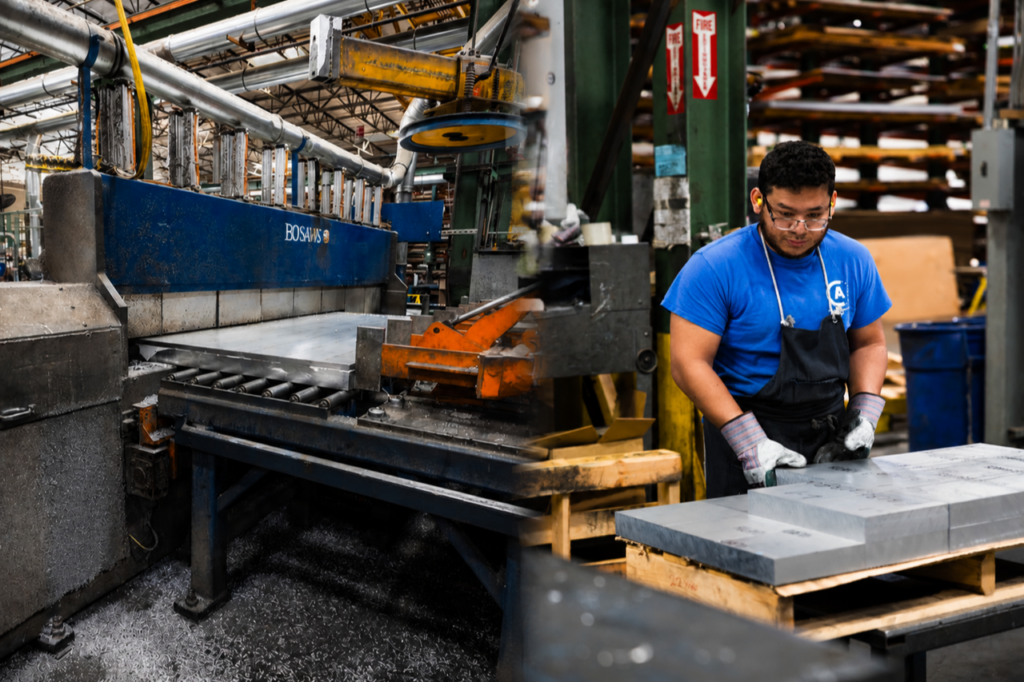
In the dynamic landscape of modern manufacturing, efficient aluminum supply chain solutions are crucial for businesses across various sectors. This article delves into the core components of aluminum supply chains, exploring how they can enhance operational efficiency and reduce costs. Readers will gain insights into specialty metal products, distribution channels, and the benefits of custom aluminum orders. Additionally, we will discuss strategies for optimizing supply chain management and selecting reliable suppliers. By understanding these elements, businesses can make informed decisions that drive productivity and profitability.
What Are the Core Components of Aluminum Supply Chain Solutions?
Aluminum supply chain solutions encompass a range of processes and products that facilitate the procurement and management of aluminum materials. These solutions are essential for ensuring that businesses have access to the right materials at the right time, ultimately enhancing operational efficiency. The core components include specialty metal products, distribution channels, and effective inventory management practices.
Defining Specialty Metal Products and Aluminum Alloys
Specialty metal products refer to high-quality materials designed for specific applications, including aluminum sheets, coils, and plates. Aluminum alloys, which are combinations of aluminum with other elements, enhance the material’s properties, making them suitable for various industrial applications. For instance, 6061 aluminum alloy is widely used in the aerospace and automotive industries due to its excellent strength-to-weight ratio and corrosion resistance.
Understanding Industrial Aluminum Distribution Channels
The distribution of aluminum in industrial contexts involves several key players, including manufacturers, distributors, and end-users. Understanding these channels is vital for businesses to navigate the supply chain effectively. Manufacturers produce aluminum products, while distributors manage the logistics of delivering these products to end-users. Efficient distribution channels ensure timely delivery and reduce lead times, which are critical for maintaining production schedules.
How Do Custom Aluminum Orders Enhance Supply Chain Efficiency?
Custom aluminum orders play a significant role in enhancing supply chain efficiency by providing tailored solutions that meet specific business needs. These orders allow companies to procure materials that align precisely with their project requirements, reducing waste and optimizing resource utilization.
Step-by-Step Process for Custom Metal Fabrication Services
The process of custom metal fabrication typically involves several steps:
- Consultation: Understanding the client’s specific needs and project requirements.
- Design: Creating detailed designs and specifications for the custom order.
- Fabrication: Utilizing advanced machinery to produce the custom aluminum products.
- Quality Assurance: Implementing rigorous testing to ensure the products meet industry standards.
This structured approach ensures that businesses receive high-quality aluminum products tailored to their specifications.
Benefits of Custom Orders in Reducing Lead Times
Custom orders can significantly reduce lead times through strategies such as mill-direct sourcing and just-in-time inventory management. By sourcing materials directly from manufacturers, businesses can eliminate intermediaries, resulting in faster delivery times. Additionally, just-in-time inventory practices allow companies to receive materials precisely when needed, minimizing storage costs and enhancing overall efficiency.
The effectiveness of Just-In-Time (JIT) principles in optimizing supply chain efficiency and reducing costs has been well-documented across various industries.
JIT Principles for Aluminum Supply Chain Efficiency & Cost Reduction
Specific examples of successful JIT applications in continuous process manufacturing include: improvements in Dupont textile plant processes (work-in-process inventory decreased 96% and working capital declined by $2 million); improvements in 3M Company coating operations (50% inventory reduction and 90% lead-time reduction); and improvements in BASF supply chains (30% inventory investment reduction and on-time delivery increased to 97%). As Burnham noted upon completion of the ALCOA aluminum Tennessee mill case study in 1986: The future for JIT in process industries is promising. Applying JIT principles to continuous process manufacturing supply chains, 1996
Which Industries Benefit Most from Aluminum Supply Chain Solutions?
Aluminum supply chain solutions are vital across various industries, including aerospace, automotive, construction, and marine sectors. Each industry leverages aluminum’s unique properties to enhance their products and processes.
Applications in Aerospace, Automotive, Construction, and Marine Sectors

- Aerospace: Aluminum’s lightweight and strength make it ideal for aircraft components, contributing to fuel efficiency and performance.
- Automotive: The automotive industry utilizes aluminum for body panels and engine components, improving vehicle performance and reducing emissions.
- Construction: Aluminum is widely used in building materials, such as windows and doors, due to its durability and resistance to corrosion.
- Marine: In the marine sector, aluminum is favored for boat construction, offering a combination of strength and lightweight properties.
Case Studies Demonstrating Industry-Specific Use Cases
Several case studies highlight the successful application of aluminum supply chain solutions. For instance, an aerospace manufacturer implemented a custom aluminum order system that reduced production lead times by 30%, allowing for quicker project turnaround. Similarly, a construction firm optimized its supply chain by sourcing aluminum directly from manufacturers, resulting in significant cost savings and improved project timelines.
What Strategies Optimize Metal Supply Chain Management?
Effective metal supply chain management requires strategic planning and execution. Businesses can implement various strategies to enhance their supply chain efficiency and reduce costs.
Strategic procurement policies are crucial for maximizing value and managing costs within the aluminum supply chain, often balancing global competitiveness with local stakeholder relations.
Strategic Procurement & Cost Reduction in Aluminum Supply
This paper examines these changes through the challenge of developing procurement policies and practices that maximize value while maintaining stakeholder relations. Kitimat is an interesting site in which to analyze these challenges because Alcan is the most significant economic unit in this relatively remote community. Abrupt shifts from a policy of giving preference to local suppliers to a strict policy of cost reduction could jeopardize community relations; however, to continue to support suppliers who are unable to compete globally is also counterproductive. This paper analyzes these issues and recommends policies and practices that support a balanced approach to improve relationships and reduce Procurement: Competition and responsibility in an industrial community, 2005
Inventory Management and Streamlined Procurement Practices
Implementing robust inventory management practices is essential for optimizing supply chain operations. Techniques such as just-in-time inventory and custom stocking programs help businesses maintain optimal stock levels while minimizing excess inventory costs. Additionally, streamlined procurement practices ensure that materials are sourced efficiently, reducing lead times and enhancing responsiveness to market demands.
Incorporating Sustainability and Digital Integration in Supply Chains
Sustainability is becoming increasingly important in supply chain management. Businesses can adopt sustainable sourcing practices, such as using recycled aluminum, to reduce their environmental impact. Furthermore, integrating digital tools into supply chain processes enhances visibility and efficiency, allowing companies to track inventory levels and manage orders in real-time.
How to Select a Reliable Aluminum Sheet Supplier for Your Business?
Choosing the right aluminum sheet supplier is critical for ensuring quality and reliability in your supply chain. Several factors should be considered when evaluating potential suppliers.
Evaluating Supplier Expertise and Product Availability
When selecting a supplier, it is essential to assess their expertise in the aluminum industry and the range of products they offer. A reliable supplier should have a proven track record of delivering high-quality aluminum products and possess the necessary certifications to meet industry standards. Additionally, evaluating product availability ensures that the supplier can meet your demand without delays.
Assessing Certifications, Industry Standards, and Service Support
Certifications and industry standards play a crucial role in supplier selection. Look for suppliers that adhere to recognized standards, such as ISO certifications, which indicate a commitment to quality and safety. Furthermore, consider the level of service support provided by the supplier, including customer service responsiveness and technical assistance.
What Are Common Procurement Questions About Aluminum Supply Chains?
Understanding common procurement questions can help businesses navigate the aluminum supply chain more effectively. Here are some key considerations.
Typical Lead Times and Order Flexibility Explained
Lead times for aluminum orders can vary based on several factors, including order size and complexity. Typically, standard orders may take 2-4 weeks for delivery, while custom orders may require additional time for fabrication. It is essential to communicate with suppliers about order flexibility to accommodate changing project timelines.
Choosing the Right Aluminum Grades for Manufacturing Needs
Selecting the appropriate aluminum grade is crucial for ensuring product performance. Different grades offer varying properties, such as strength, corrosion resistance, and weldability. Businesses should evaluate their specific manufacturing needs and consult with suppliers to determine the best