
Data centers are becoming one of the most important growth areas in modern construction and industrial infrastructure. As artificial intelligence, cloud computing, streaming, automation, and digital storage continue to expand, companies are building larger and more power-intensive data centers across the United States.
That growth does not only affect technology companies. It also affects the metal supply chain.
Data centers require large amounts of copper, aluminum, steel, stainless steel, and specialty materials. Copper is critical for power distribution, grounding, electrical infrastructure, transformers, switchgear, cabling, busbars, and grid expansion. Aluminum is widely used in structural systems, cooling equipment, frames, panels, racks, enclosures, heat management components, and architectural or industrial construction applications.
For metal buyers, contractors, engineers, electrical teams, fabricators, and OEM suppliers, data center growth can influence demand, availability, pricing, and lead times.
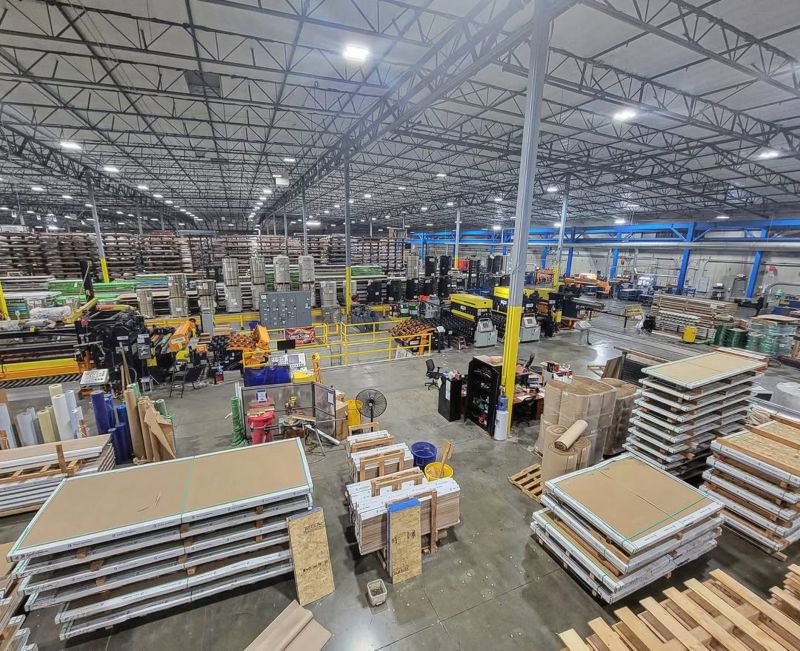
At Coast Aluminum, we help customers source aluminum, copper, brass, stainless steel, and specialty metal products for demanding industrial and construction applications. With cut-to-size services, material sourcing, logistics support, custom stocking programs, and technical product knowledge, Coast helps buyers keep projects moving in fast-changing markets.
Why Data Centers Are Driving Metal Demand
Data centers are physical infrastructure. Behind every digital platform is a building filled with electrical systems, cooling systems, structural components, servers, racks, panels, enclosures, and backup power equipment.
As data centers become larger and more energy-intensive, they require more materials to support:
- Power delivery
- Electrical distribution
- Cooling systems
- Mechanical systems
- Server infrastructure
- Equipment racks
- Cable management
- Fire protection systems
- Backup power
- Building construction
- Grid connections
This makes data center construction a major demand driver for industrial metals.
Unlike some commercial buildings, data centers have intense power and cooling needs. That creates demand not only for the building itself, but also for the electrical infrastructure that supports it.
Copper’s Role in Data Centers
Copper is one of the most important metals in data center construction because data centers depend on power. Copper’s high electrical conductivity makes it essential for moving electricity safely and efficiently.
Copper may be used in:
- Power distribution systems
- Electrical wiring
- Grounding systems
- Busbars
- Switchgear
- Transformers
- Backup power systems
- Cooling equipment
- Motors and electrical components
- Grid infrastructure supporting the facility
The more power a data center requires, the more important electrical infrastructure becomes. This does not only affect copper used inside the facility. It can also increase demand for copper in transmission, distribution, substation, and grid upgrade projects tied to data center development.
For procurement teams, this matters because copper availability and pricing can be affected by demand from multiple industries at once, including construction, utilities, electric vehicles, renewable energy, manufacturing, and data centers.
Aluminum’s Role in Data Centers
Aluminum is also important in data center construction and equipment manufacturing because it is lightweight, corrosion resistant, strong for its weight, and easy to fabricate.
Aluminum may be used in:
- Server racks and frames
- Equipment enclosures
- Cable trays
- Mounting systems
- Panels
- Cooling system components
- Heat sinks and thermal management parts
- Architectural systems
- Structural supports
- Access platforms
- Electrical applications where aluminum is specified
Aluminum is especially useful where weight reduction, corrosion resistance, thermal performance, and fabrication efficiency matter.
For contractors, OEMs, and fabricators supporting data center projects, aluminum can help deliver strong, lightweight components that are easier to handle and install than heavier material options.
Why Cooling Systems Increase Metal Demand
Data centers generate a significant amount of heat. As AI workloads and high-performance computing increase, cooling becomes more complicated and more important.
Cooling systems may require a mix of metals depending on the design. Aluminum, copper, and stainless steel can all play roles in heat exchange, fluid handling, structural support, and mechanical systems.
Metal demand tied to cooling can include:
- Aluminum components for lightweight thermal systems
- Copper components for heat transfer and electrical systems
- Stainless steel for corrosion-resistant equipment
- Sheet and plate for panels and enclosures
- Tube and pipe for fluid handling
- Fabricated parts for mechanical equipment
As more data centers move toward advanced cooling strategies, material selection becomes even more important. Engineers and purchasing teams must consider corrosion resistance, conductivity, weight, fabrication needs, finish, and lead times.
Data Centers Also Affect the Grid
The metal demand from data centers does not stop at the building. Many data center projects require utility upgrades, substations, transmission lines, transformers, and power distribution systems.
This creates additional demand for copper and aluminum because both metals are heavily used in electrical infrastructure.
Copper is often selected for its conductivity and reliability in electrical systems. Aluminum is widely used where lighter weight and cost-effective conductivity are important, especially in certain power transmission and distribution applications.
When data centers increase regional power demand, the surrounding infrastructure often has to grow with them. That means metal demand can come from both direct data center construction and the grid expansion needed to support it.
How Data Center Growth Can Affect Metal Buyers
Data center growth can affect metal buyers even if they are not building data centers directly.
When large infrastructure projects consume more aluminum, copper, stainless steel, and electrical components, other buyers may experience:
- Higher demand for certain metals
- Longer lead times
- Pricing pressure
- More competition for available inventory
- Increased demand for cut-to-size material
- More pressure on supplier logistics
- Greater need for material planning
- More interest in custom stocking programs
A fabrication shop, architectural contractor, machine shop, marine builder, or OEM may feel the impact if market demand tightens supply for materials they use regularly.
This is why buyers should pay attention to major demand trends, even when those trends are outside their immediate industry.
What Types of Buyers Should Pay Attention?
Data center growth may be especially relevant for:
- Electrical contractors
- Mechanical contractors
- HVAC and cooling equipment manufacturers
- Sheet metal fabricators
- OEM component manufacturers
- Aluminum fabricators
- Copper and brass buyers
- Stainless steel buyers
- Construction suppliers
- Architectural metal contractors
- Industrial maintenance teams
- Utility and infrastructure contractors
- Machine shops
- Enclosure manufacturers
- Racking and structural system suppliers
These buyers may not all work directly on data center projects, but they often compete for the same material supply.
Why Material Planning Matters More Than Ever
In a high-demand market, the best procurement strategy is proactive instead of reactive.
Procurement teams should plan around:
- Expected material usage
- Repeat sizes and grades
- Project timelines
- Lead times
- Cut-to-size needs
- Delivery requirements
- Material documentation
- Supplier capacity
- Alternate material options
- Custom stocking programs
- Blanket orders
When demand rises, waiting until the last minute can reduce options and increase risk. Planning ahead helps buyers protect production schedules and avoid unnecessary rush orders.
How Cut-to-Size Services Support Data Center and Infrastructure Projects
Cut-to-size metal services can help contractors, fabricators, and OEMs reduce waste and improve efficiency on data center and infrastructure projects.
Instead of ordering oversized stock and cutting everything internally, buyers can source material closer to the size needed for fabrication or installation.
This can help reduce:
- Scrap
- Off-fall
- Labor time
- Equipment bottlenecks
- Handling
- Storage needs
- Jobsite waste
- Production delays
For large or repeat projects, those savings can add up quickly.
How Custom Stocking Programs Help With Repeat Demand
Data center-related projects often involve repeat material needs. A contractor may need recurring aluminum sheet, copper bar, stainless steel sheet, or cut-to-size components over several phases of a project.
Custom stocking programs can help by aligning material availability with project demand.
Benefits may include:
- More predictable supply
- Faster fulfillment
- Reduced rush orders
- Better inventory control
- Staged delivery options
- Stronger project planning
- Less downtime waiting on material
This can be valuable for buyers supporting long-term infrastructure builds, recurring production, or multi-location projects.
How Coast Aluminum Supports Data Center and Infrastructure Supply Chains
Coast Aluminum supports industrial buyers with the metal products, processing services, and sourcing support needed for demanding projects.
Customers rely on Coast Aluminum for:
- Aluminum sheet, plate, bar, tube, pipe, and shapes
- Stainless steel sheet and plate
- Copper and brass products
- Cut-to-size metal services
- Precision shearing and cut-to-length processing
- Saw cutting for plate and bar
- CNC waterjet and router cutting
- Protective film and finishing support
- Material sourcing and logistics
- Mill-direct sourcing
- Custom stocking programs
- Just-in-time inventory support
- Documentation and certification support
- Industry-specific material guidance
For buyers supporting data centers, industrial construction, electrical infrastructure, cooling systems, or OEM production, Coast helps simplify material sourcing and reduce supply chain friction.
The Bottom Line
Data center growth is creating new demand for aluminum, copper, stainless steel, and specialty metals. Copper is critical for power delivery and electrical infrastructure. Aluminum supports lightweight structures, racks, enclosures, cooling systems, panels, and fabricated components.
As demand increases, buyers may face more pricing pressure, longer lead times, and greater competition for available material. The best way to manage that risk is to plan ahead and work with a supplier that can support sourcing, processing, logistics, and inventory strategy.
Need aluminum, copper, stainless steel, or specialty metals for your next industrial or infrastructure project?
Contact Coast Aluminum today to request a quote, check material availability, or speak with a knowledgeable team member about your project requirements.